Free Download

Recent Posts




The 2026 Search Optimization Landscape
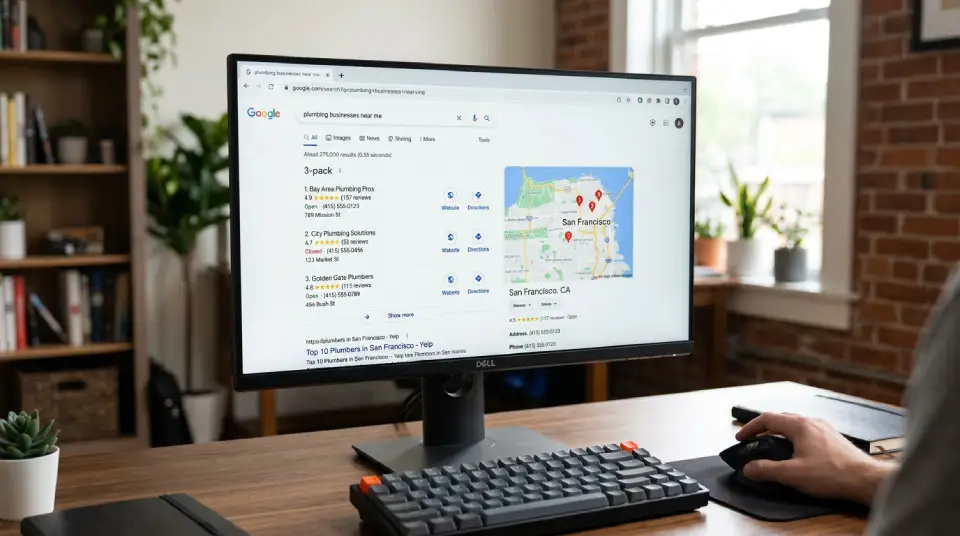
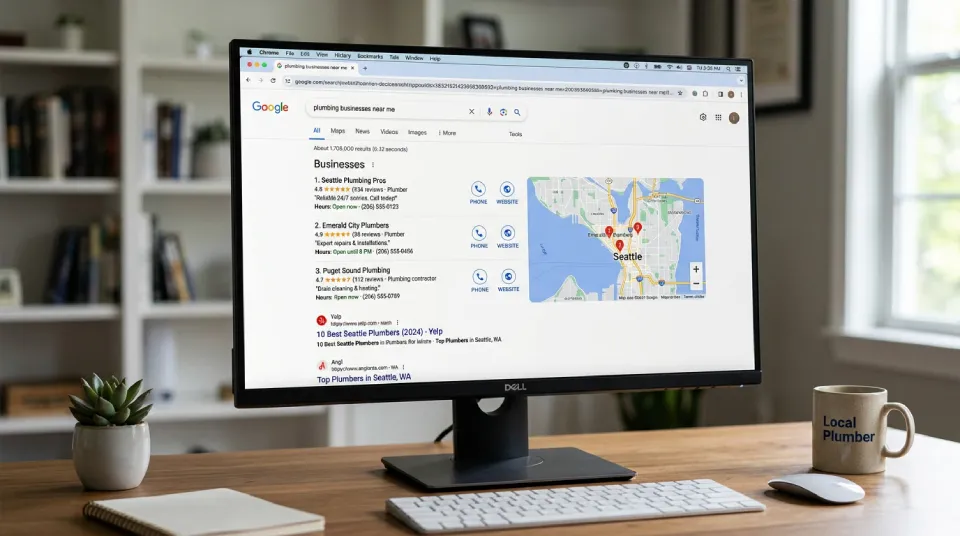
The world of SEO is going through a major change as we get closer to 2026. With the rise of artificial intelligence, changes in how users behave, and new ways of searching, the rules of organic search engine optimization are being rewritten. If businesses want to make the most of SEO 2026, they need to understand these trends and invest wisely.
Key factors shaping this evolving environment include:
- The rise of AI-powered search experiences altering traditional visibility metrics.
- The increasing importance of multi-platform presence beyond Google.
- A shift from keyword-centric tactics toward holistic content strategies that prioritize authenticity and expertise.
Before spending money on SEO, it’s crucial to understand its future. This knowledge will help you determine if SEO is still a viable growth channel for your business or if it needs to be adapted.
Questions to consider when evaluating is SEO right for my business in 2026:
- Does your business have the capacity to integrate AI-driven tools with human expertise?
- Can your content strategy diversify across multiple formats and platforms?
- Are you prepared to measure success through new performance indicators beyond traditional click-through rates?
By aligning your goals with the best SEO practices for 2026, you’ll position your brand at the forefront of an ever-changing digital world—one that requires innovation without compromising authenticity.
The Evolution of SEO: What to Expect in 2026
The future of SEO is being reshaped by profound technological advancements and shifting user behaviors. AI integration in SEO stands at the forefront of this transformation, pushing the boundaries of how businesses approach search optimization. Traditional keyword-focused tactics are giving way to sophisticated strategies designed to align with AI-driven algorithms and evolving search formats.
Major Shifts Shaping SEO by 2026
Several significant changes are expected to influence SEO practices by 2026:
- AI Advancements: Large language models (LLMs) such as ChatGPT and Claude influence how search engines interpret, summarize, and present information. This development leads to search engine results pages (SERPs) that favor concise AI-generated summaries over traditional organic listings.
- User Behavior Changes: Searchers increasingly prefer conversational, direct answers facilitated by chatbots or voice assistants rather than navigating multiple links. This trend demands content that not only ranks but also satisfies these immediate information needs.
- Search Experience Evolution: Integration of multimedia responses—videos, infographics, and podcasts—is becoming essential as users seek diverse content formats within search engines.
Introduction to Generative Engine Optimization (GEO)
Generative Engine Optimization represents a new frontier in visibility strategies tailored for AI-powered platforms. GEO focuses on optimizing content specifically for:
- AI-generated summaries that dominate SERPs
- Conversational interfaces where users interact via chatbots
- Emerging platforms including Google’s AI features, TikTok, Reddit, YouTube, and specialized AI companions
SEO professionals must adapt their approaches to ensure content is not only discoverable but also preferred by generative algorithms responsible for synthesizing and delivering answers.
“GEO shifts the focus from traditional link-building to creating authoritative, context-rich content that AI engines can easily interpret and integrate into their outputs.”
How AI-driven Search Formats Are Redefining Traditional Results
Search results are no longer simple lists of links. Instead:
- Chatbots deliver personalized answers derived from multiple sources
- AI-generated summaries provide quick insights reducing the need for clicks
- Hybrid SERPs mix rich snippets, video carousels, and dynamic Q&A sections powered by machine learning
This evolution redefines key performance indicators like click-through rates (CTR), compelling businesses to rethink how they measure visibility and engagement.
Adapting to these trends requires a strategic blend of technical SEO expertise with creative content development focused on human intent and AI compatibility—a balance critical for success in the 2026 search landscape.
Key Trends Shaping SEO in 2026
1. AI Integration and Generative Engine Optimization (GEO)
The world of SEO in 2026 is heavily influenced by AI integration, especially with the rise of Generative Engine Optimization (GEO). This new approach focuses on creating content specifically for search engines and platforms that use AI, such as ChatGPT, Claude, and Perplexity.
AI-Generated Summaries Dominate SERPs
Search Engine Results Pages (SERPs) are increasingly populated by AI-generated summaries instead of traditional organic listings. These concise, synthesized answers provide users with quick information without requiring further clicks. The impact on click-through rates (CTR) is significant; many users find their queries resolved directly within these AI responses, reducing the need to visit multiple websites.
Optimizing for AI-Driven Platforms
SEO strategies now extend beyond Google’s classic algorithm to include platforms where AI plays a crucial role in content presentation:
- Google’s AI features such as featured snippets and conversational search.
- Social platforms like TikTok and Reddit, where algorithmic content discovery relies heavily on user engagement signals and natural language understanding.
- Video platforms including YouTube, where metadata, transcripts, and user interaction data feed into AI recommendations.
- Conversational agents like ChatGPT, which summarize information from multiple sources to answer complex questions.
Adapting content for these channels requires a nuanced approach:
- Creating highly structured, authoritative content that can be easily parsed by AI algorithms.
- Utilizing clear headings, bullet points, and schema markup to enhance machine readability.
- Crafting content that anticipates user intent behind voice or chatbot queries rather than just keyword matching.
The prominence of large language models in delivering search results demands a shift from traditional SEO tactics toward a more holistic strategy. Businesses must focus on how their content can be integrated into AI-generated answers and conversational formats to maintain visibility.
AI SEO trends emphasize the coexistence of human creativity with machine intelligence. While automated tools assist with keyword research and draft creation, ensuring content remains authentic and valuable to users is critical for sustaining rankings amid evolving algorithms.
This transformation in SEO practices marks a decisive move from purely optimizing for clicks toward optimizing for inclusion within AI-powered knowledge ecosystems—making GEO an essential consideration for any forward-looking digital marketing strategy in 2026.
2. Emphasis on Content Quality and Human Expertise
The rise of AI SEO trends has led to an increase in content created by large language models like ChatGPT, but the future of organic Search Engine Optimization requires more than just automated text. Genuine human-created content is still the foundation of effective SEO in 2026. Search engines prioritize Experience, Expertise, Authoritativeness, and Trustworthiness (E-E-A-T), which cannot be fully replicated by AI alone.
Key components include:
- Original content that reflects genuine insight, backed by real-world knowledge or firsthand experience.
- Human expertise showcased through detailed analysis, case studies, and nuanced perspectives.
- Authoritativeness established via credible citations, transparent authorship, and industry recognition.
- Trustworthiness, reinforced by consistent brand messaging and ethical content practices.
Brand signals and social proof also play an increasingly vital role in rankings. Reviews, testimonials, influencer endorsements, and active community engagement foster trust with both users and search algorithms. These elements amplify a website’s authority beyond keywords or backlinks.
AI-generated summaries may dominate SERPs, but they often rely on underlying sources demonstrating strong E-E-A-T principles. Businesses investing in a multi-format content strategy that integrates human-centric storytelling alongside data-driven insights position themselves to thrive amid evolving AI-driven platforms.
Emphasizing human expertise aligns with Best SEO Practices for 2026 and ensures content resonates authentically with audiences while satisfying complex algorithmic requirements — a critical factor when determining if SEO is right for your business moving forward.
3. Multi-Format Content Strategy for Diverse Audiences
To keep up with the changing AI SEO trends, you need a multi-format content strategy that appeals to different audience preferences and works well with specific platform algorithms. The future of organic Search Engine Optimization goes beyond just text-based articles; it includes various types of content such as:
- Long-form articles: In-depth, authoritative pieces remain foundational for establishing expertise and detailed information.
- Videos and shorts: Platforms like YouTube and TikTok prioritize video content, making video SEO critical for capturing engagement across younger demographics and visual learners.
- Podcasts: Audio content is gaining traction as users seek convenient, on-the-go information consumption. Optimizing podcasts for discoverability through metadata and transcripts enhances their SEO impact.
- Infographics: Visual data representations simplify complex information, increasing shareability and time spent on pages.
Using these formats addresses the shift toward user-centric experiences shaped by large language models and AI-generated summaries. Search engines are increasingly showing content previews that include different media forms, highlighting the importance of optimizing beyond just plain text.
Schema markup plays a crucial role in improving discoverability on AI-powered platforms. Properly structured data tags help search engines understand the context of various content types, increasing the chances of being included in rich results, featured snippets, or AI-generated answers. For example:
- Video schema boosts visibility in video carousels.
- Podcast schema facilitates indexing in audio search results.
- Article schema supports enhanced text snippet presentation.
Following the best SEO practices for 2026 means aligning multi-format production with human-centric content principles to stay true to your brand while also meeting algorithmic requirements. This balanced approach can enhance your brand presence on platforms like Google, ChatGPT SEO interfaces, TikTok, Reddit, and YouTube—each of which has its own unique search behaviors and AI response mechanisms that require specific optimization tactics.
4. Rising Influence of User-Generated Content (UGC)
User-generated content (UGC) is becoming an important factor in shaping search optimization trends in 2026. With the growing use of large language models and AI summaries, UGC’s genuine human voices create a blend of human-centric content that search engines highly value. Platforms like Reddit and Quora are examples of this trend, showing how UGC can significantly increase organic traffic through diverse, community-driven insights.
Key aspects driving UGC’s influence on SEO include:
- Significant Organic Traffic Growth: Projections indicate UGC will be responsible for a substantial portion of organic traffic by 2030. This growth stems from its ability to generate fresh, relevant, and context-rich content that resonates with real user queries.
- Enhanced Search Visibility: Communities on Reddit and Quora provide rich repositories of questions, answers, and discussions that large language models like ChatGPT integrate into AI summaries. This inclusion elevates the visibility of UGC-driven pages within search results.
- Authenticity and Trust Signals: Search algorithms increasingly prioritize Experience, Expertise, Authoritativeness & Trustworthiness (E-E-A-T). UGC often reflects genuine user experiences and expert opinions, reinforcing trustworthiness and enhancing brand authority when leveraged correctly.
- Complement to Multi-Format Content Strategy: Incorporating UGC alongside curated long-form articles, videos, and podcasts creates a dynamic SEO ecosystem. This synergy aligns with Best SEO Practices for 2026 by catering to diverse audience preferences while feeding AI-powered platforms with rich data points.
Embracing user-generated content offers businesses a strategic advantage in navigating the future of organic Search Engine Optimization. It complements AI-driven changes by grounding SEO efforts in authentic human interactions that algorithmic models increasingly rely upon for relevance and ranking.
Measuring Success in the New SEO Landscape
The traditional reliance on click-through rates (CTR) as a primary success metric is diminishing in relevance. The rise of zero-click searches, where users receive answers directly on the search engine results page (SERP) without clicking through, combined with AI-generated responses, has transformed user interaction paradigms.
Key shifts in measuring SEO performance include:
- Engagement metrics for SEO such as dwell time and repeat visits offer deeper insights into user satisfaction and content relevance.
- Conversion tracking becomes critical, emphasizing the business impact of organic traffic beyond mere visits.
- Monitoring brand mentions tracking across channels reflects growing importance of brand presence and authority in ranking algorithms.
- Inclusion within AI-powered summaries or conversational answers signals visibility in emerging search formats and requires specialized monitoring tools.
“Visibility today extends beyond clicks; it’s about being featured in AI-driven knowledge panels, chatbots, and voice assistants.”
Standard analytics must evolve to incorporate these new dimensions. Tools that capture user engagement behaviors and brand signal strength across multiple platforms provide a more comprehensive picture of SEO effectiveness. Traditional CTR remains useful but no longer sufficient as a standalone KPI.
Tracking success now demands a hybrid approach combining quantitative metrics with qualitative assessments of brand resonance and content impact in an AI-centric search ecosystem. This nuanced understanding enables businesses to align SEO efforts with the complex realities of 2026’s search environment.
Leveraging Tools and Hybrid Workflows for Effective SEO in 2026
The rise of AI SEO tools has transformed how businesses approach content research, creation, and optimization. These advanced platforms analyze search intent, competitor strategies, and keyword opportunities with unprecedented speed and accuracy. Some popular AI tools generate detailed content outlines, suggest relevant topics, and identify trending queries across multiple channels including Google, TikTok, YouTube, and emerging AI-driven search engines.
Key functionalities of AI-powered tools include:
- Automated keyword research: Pinpoint high-value keywords tailored to evolving user behavior.
- Content structuring: Create logical article outlines that align with search engine algorithms.
- Performance analytics: Monitor content engagement metrics and refine strategies based on real-time data.
- Sentiment analysis: Gauge audience reaction to optimize messaging tone.
Adopting hybrid workflows in SEO involves balancing AI efficiency with human expertise. While AI can draft initial content versions quickly, the role of skilled editors remains vital for ensuring authenticity, brand voice consistency, and nuanced storytelling. Human intervention is essential to:
- Refine tone and style to resonate emotionally with target audiences.
- Fact-check and validate information to uphold credibility.
- Infuse unique insights that differentiate content from competitors.
- Adjust context for cultural relevance or industry-specific terminology.
This combination leverages the strengths of both man and machine—AI accelerates production and uncovers data patterns at scale; humans add creativity, empathy, and strategic judgment. Businesses that master this hybrid approach can produce high-quality content faster while maintaining the trust signals required by modern search algorithms.
Adopting AI SEO tools alongside human refinement creates an agile workflow capable of responding dynamically to the rapidly shifting SEO landscape as it moves deeper into 2026.
Expanding Your Reach Beyond Google Search
The multi-platform SEO strategy has become essential as user engagement spreads across different digital spaces. Traditional SEO mainly focused on Google, but the future of organic Search Engine Optimization needs a wider approach that includes platforms like TikTok, YouTube Shorts, Reddit, and other emerging channels.
Optimizing Presence on Emerging Search Environments
- TikTok SEO is now a must. With its rapidly growing user base and AI-driven recommendation algorithms, TikTok requires unique optimization strategies such as hashtag tactics, attention-grabbing video thumbnails, and keyword-rich captions.
- YouTube Shorts optimization focuses on short videos designed for quick viewing. Creating compelling hooks within the first few seconds and using metadata effectively can significantly boost visibility.
- Platforms like Reddit offer untapped potential for organic traffic through community-driven content. Actively participating and tailoring content to specific subreddits increases brand authority and referral visits.
Creating Native Platform-Specific Content
Search engines and AI systems are increasingly rewarding content that feels native to each platform’s culture and format instead of just repurposed from websites. This involves:
- Developing videos, stories, or posts that align with platform-specific user expectations.
- Utilizing platform features such as TikTok’s trending sounds or YouTube Shorts’ captions to enhance discoverability.
- Encouraging engagement through comments, shares, and reactions which act as strong ranking signals within these ecosystems.
Native content not only drives direct traffic but also generates valuable signals that feed back into main website rankings. These interactions across different channels amplify brand presence while staying true to authenticity.
Businesses assessing the Best SEO Practices for 2026 must recognize this multi-platform approach as critical in determining if SEO is right for their business model. Ignoring these channels risks missing significant opportunities for growth in an increasingly fragmented search landscape.
Challenges Businesses Face with Future-Focused SEO Strategies
Understanding the Complexity of AI in SEO
The introduction of artificial intelligence (AI) in search engine optimization (SEO) brings new challenges, especially when it comes to understanding the difference between ethical and unethical practices in this era. With the rise of powerful language models like ChatGPT, some individuals may be tempted to take shortcuts by using unethical methods. These methods, known as “black hat” tactics, include:
- Creating large amounts of spammy or low-quality content using AI without any human review.
- Manipulating AI responses to artificially improve rankings through excessive use of keywords or misleading linking.
- Taking advantage of loopholes in algorithms that may temporarily increase visibility but can result in severe penalties when discovered.
Search engines are constantly evolving to identify and punish such behavior, which can lead to a decrease in rankings, removal of domains from search results, or loss of trust from users. It is crucial for businesses to prioritize ethical SEO practices, also known as “white hat” techniques, that combine AI assistance with genuine human expertise. This approach ensures compliance with guidelines while maintaining high-quality and relevant content.
Evaluating the Return on Investment (ROI) of AI-based SEO Investments
Another major challenge businesses face is determining the return on investment (ROI) for their investments in AI-driven SEO strategies. Advanced tools powered by AI often come with significant upfront costs for licenses, training, and integration into existing workflows. Executives and marketers require clear evidence that these investments will lead to measurable improvements such as:
- Increased organic traffic from various platforms.
- Higher user engagement and conversion rates.
- Greater brand visibility across search results generated by AI.
To effectively track performance, it is important to go beyond traditional metrics like click-through rates (CTR) and consider newer indicators such as dwell time (the amount of time users spend on a page), repeat visits, and brand mentions across multiple channels. Before committing large budgets to AI-powered SEO strategies, it becomes critical to demonstrate ROI, especially considering the constantly changing algorithms and competitive pressures.
Finding a Balance Between Innovation and Caution
It is essential for businesses to strike a balance between being innovative and being cautious. This balance helps them avoid pitfalls associated with unethical SEO practices while maximizing the potential benefits of optimization techniques enhanced by AI.
Is SEO Right for Your Business? Key Considerations for 2026
Determining if SEO fits your business model involves assessing business fit for SEO in the context of rapidly evolving search technologies and user expectations. The hybrid approach benefits companies that can blend advanced AI tools with human insight to maintain authenticity, relevance, and engagement. Consider these critical factors:
Capacity to Adapt to Hybrid Human-AI Strategies
Does your team have the skills or access to experts who can integrate AI-driven content creation with human editorial oversight? Can your workflows accommodate continuous optimization as AI algorithms and search behaviors evolve?
Businesses embracing hybrid models typically see improved content quality and better alignment with dynamic ranking signals.
Alignment of Business Goals with Emerging Trends
Are your marketing objectives suited to multi-format content production, including videos, podcasts, infographics, or interactive media? How well does your strategy incorporate platform diversification beyond traditional Google search—such as TikTok, Reddit, YouTube, or conversational AI platforms?
Businesses focused on brand authority and audience engagement benefit most from tapping into varied content formats and channels.
Resource Allocation for Authentic Brand Presence and Technology Leverage
Maintaining Experience, Expertise, Authoritativeness & Trustworthiness (E-E-A-T) requires investment in authentic storytelling alongside AI-powered efficiency. Does your budget allow for balancing technology adoption with efforts to build genuine relationships through social proof and customer interaction?
Companies allocating resources wisely between automation and human touchpoints gain sustainable organic visibility.
Asking Is SEO right for my business? means critically evaluating how prepared you are to navigate a complex landscape where technology accelerates change but authenticity drives trust. Businesses that strategically invest in hybrid approaches aligned with their objectives stand poised to capitalize on the future of SEO in 2026.
Future-Proof Your SEO Strategy
To ensure your business remains relevant and competitive in the ever-changing world of search engines, it’s crucial to have a well-thought-out SEO strategy that can adapt to future trends. This means taking a close look at your current capabilities and comparing them to what you might face in 2026.
Why is Future-Proofing Important?
The digital landscape is constantly evolving, with new technologies and platforms emerging regularly. By future-proofing your SEO strategy, you can:
- Stay ahead of the competition
- Adapt to changes in user behavior and search algorithms
- Maximize your return on investment (ROI) from SEO efforts
Understanding the Best SEO Practices for 2026
To align your investments with tangible outcomes and sustainable growth, it’s essential to understand the Best SEO Practices for 2026. These practices may include:
- Optimizing for voice search and conversational queries
- Creating high-quality, engaging content that satisfies user intent
- Building a strong online presence across multiple platforms
- Leveraging artificial intelligence (AI) and machine learning (ML) for data analysis and optimization
Key Steps to Safeguard Your SEO Efforts
Here are some key steps you can take to safeguard your SEO efforts:
Assess Readiness
Review your existing content ecosystem, technology stack, and team expertise in hybrid human-AI workflows. Are you equipped to handle the demands of future SEO?
Identify Gaps
Look for areas where you may be falling behind in adopting multi-format content strategies and optimization for AI-driven platforms like ChatGPT, TikTok, and emerging search engines.
Allocate Resources
Ensure that you’re not only investing in AI-powered tools but also nurturing authentic brand narratives that resonate with human audiences. Remember, at the end of the day, it’s people who make purchasing decisions.
Develop Agile Processes
Create processes that can adapt quickly as search algorithms evolve and user behaviors shift toward conversational and generative search formats. This flexibility will be key in staying relevant.
Embracing the evolving search ecosystem positions your business as a forward-thinking leader, leveraging organic SEO as a strategic advantage rather than a cost center.
The Role of Trends in Transforming SEO
Staying informed about ongoing trends is vital in transforming SEO from just a set of tactics into an integral component of business growth. Here are some trends to keep an eye on:
- Rise of voice search: With the increasing popularity of virtual assistants like Siri and Alexa, optimizing for voice search will become crucial.
- Shift towards video content: Platforms like TikTok have shown us that short-form videos are here to stay. Incorporating video into your content strategy can give you an edge.
- Growth of AI-powered search: Search engines are becoming smarter with AI technologies. Understanding how these algorithms work will help you tailor your optimization efforts accordingly.
The Future of Organic Search Engine Optimization
The future of organic Search Engine Optimization relies on finding a balance between technological innovation and genuine audience connection—this balance will ultimately determine whether SEO is suitable for your business in the coming years.
As we move forward, it’s important to remember that while technology plays a significant role in shaping SEO strategies, building meaningful relationships with your audience should always remain a priority.
By staying ahead of industry trends, being adaptable in your approach, and focusing on delivering value to users through both technology-driven solutions and authentic storytelling techniques—you’ll be well-positioned to navigate whatever changes lie ahead in the world of search engine optimization.